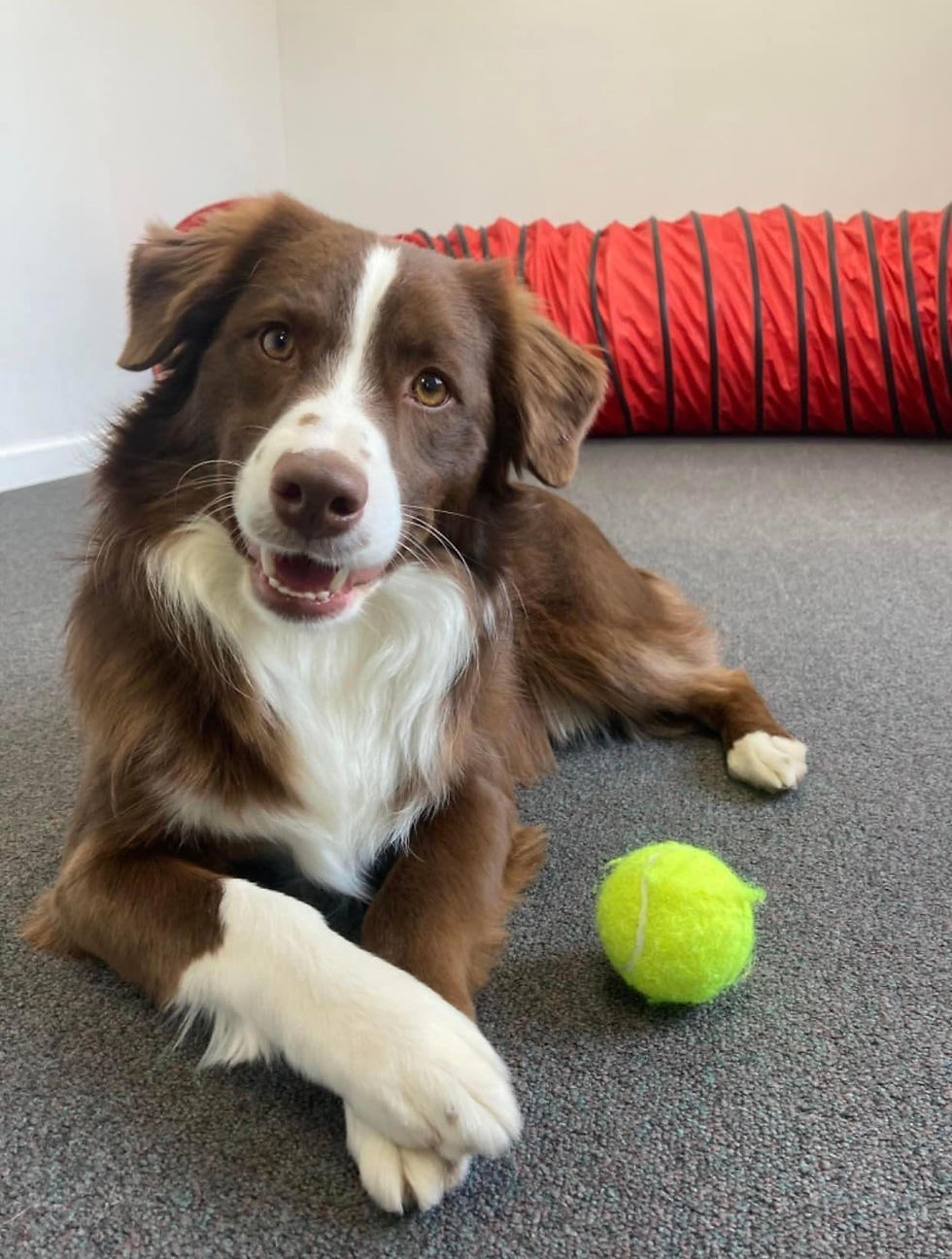
Are Aussies High Maintenance? An Honest Answer From Someone Who Lives With Them


One of the most common questions families ask me is, “Are Aussies high maintenance?”
My honest answer is:
Not exactly—but they are too smart to raise on autopilot.
I have lived with and raised a lot of Aussies. They are our dogs first. They live in our home, follow us through our daily routines, play with our kids, go on walks with us, and somehow always know when I am about to leave the room.
They are incredibly loyal, funny, observant dogs. They are also very good at noticing patterns, reading people, and figuring out what works.
That is what makes Aussies so rewarding.
It is also what can make them feel like a lot when they have not been given clear direction.
So, Are Aussies High Maintenance?
I would not call Aussies high maintenance. I would call them highly involved. hahaha
An Aussie usually does not want to live quietly in the background while you occasionally remember that you own a dog. They want to be part of your life.
They notice when you put on your walking shoes. They know which cabinet holds the treats. They learn what time the kids come home. They may follow you from room to room like a tiny, unpaid supervisor.
That does not mean they need hours of formal training or constant entertainment. It means they do best with an owner who is willing to include them, guide them, and teach them how to live calmly in the home.
Aussies generally need:
Daily movement
Mental stimulation
Clear household expectations
Short, consistent training
Practice settling and doing nothing
A close relationship with their people
Most of that can be worked into normal life. It does not need to become another full-time job.
Aussies Need Direction, Not Constant Entertainment
One mistake I see people make is assuming they need to keep their Aussie busy every minute of the day. STOP wasting your money on a zillion new toys.
They buy more toys, throw the ball longer, plan more activities, and try to physically wear the dog out.
The problem is that constantly entertaining an Aussie can create a dog who expects constant entertainment.
I do not want my dogs to believe that every waking moment needs to be exciting.
I want them to enjoy walks, training, sniffing, playing, and exploring—but I also want them to know how to lie down while I work, relax with the family, or settle when nothing interesting is happening.
A balanced Aussie needs both activity and an off-switch.

How Much Exercise Does an Aussie Need?
Aussies need regular exercise, but they do not need endless high-intensity activity.
For most adult Aussies, I like a daily walk in a new or interesting environment, usually at least 30 minutes, along with normal play and interaction at home.
Puppies will need shorter, age-appropriate outings.
But the type of exercise matters.
A sniffing walk where your dog explores different sights, smells, sounds, and surfaces can do far more for their brain than repeatedly throwing a ball across the backyard.
A good routine might include:
A walk somewhere beyond the backyard
Time to sniff and explore
Short training games
Backyard play
Hiking or outdoor adventures
Calm rest afterward
More exercise is not always the answer.
You can build a very athletic dog who is still frantic inside the house. Tired and calm are not the same thing.
Do Aussies Need Mental Stimulation?
Yes. Mental stimulation is especially important for Australian Shepherds, Mini Aussies, and Mini American Shepherds.
Mental stimulation does not need to involve complicated puzzles or an elaborate enrichment schedule.
Some of the best brain work happens during normal daily routines:
Ask for a wait before opening the door.
Practice leash focus during a walk.
Hide part of breakfast in the grass.
Teach a simple trick.
Use mealtime for five minutes of training.
Practice place while you make dinner.
Play a quick “find it” game.
Reward your dog for calmly watching the world.
Let them sniff a new environment.
Aussies have busy brains. When we give that brain something productive to do, we usually see fewer unwanted behaviors.
When we do not give them direction, they may create their own job.
Unfortunately, their chosen job may involve herding the children, monitoring every squirrel, rearranging the laundry, or barking whenever a leaf moves outside.

Teaching an Aussie to Settle Matters
Calmness is one of the most important skills I teach my Aussies.
It is also one of the most overlooked.
Many people spend all their time teaching sit, down, come, and heel—but never teach the dog how to simply exist peacefully in the house.
Aussies notice movement. Kids running, doors opening, visitors arriving, animals moving outside, and people walking through the room can all feel like an invitation to get involved.
That is why I intentionally reward calm behavior.
I want my dogs to learn:
They do not need to follow every person who moves.
They can watch the kids without chasing them.
They can rest while I am working.
They can greet someone without launching their entire body at them.
They can wait at a doorway.
They can settle after exercise.
They can be bored without creating their own entertainment.
This is not about making an Aussie boring.
It is about teaching them how to move between excitement and calm.
Are Aussies Good Family Dogs?
YES!!! Aussies can be incredible family dogs when they are matched carefully and raised with clear expectations.
They are loyal, affectionate, playful, and deeply connected to their people. Many love being involved in whatever the family is doing—walking, hiking, playing outside, traveling, learning tricks, or simply hanging out at home.
However, Aussies are herding dogs.
Running children can trigger chasing, circling, barking, grabbing clothing, or nipping at heels. That does not mean Aussies are bad with kids. It means we should not let a puppy repeatedly practice herding them and hope the behavior disappears on its own.
In our home, I focus on:
Supervising puppy-and-child interactions
Teaching the puppy to disengage from running children
Rewarding calm behavior
Giving the dog a place to settle
Teaching children how to interact respectfully
Interrupting chasing before it becomes a habit
Using structured games instead of frantic free-for-all play
When those habits are taught early, Aussies can become wonderful companions for children and active families.
Do Aussies Need a Job?
Yes—but their job does not have to be herding sheep or competing in agility.
An Aussie’s “job” can simply be understanding what you want them to do.
Their job might be:
Walking politely beside you
Waiting at the door
Settling on place while you cook
Finding treats in the yard
Learning a new trick
Hiking with the family
Practicing therapy-dog skills
Carrying a toy during chores
Resting calmly while life happens around them
A job gives an Aussie purpose and direction.
These dogs usually love knowing what is expected of them. When they understand the assignment, they often rise beautifully to it.

Are Aussies Hard to Own?
No. Not hard. But Intentional.
They can feel hard when someone expected a naturally quiet, independent, low-effort dog who would require very little training or involvement.
An Aussie may be a good fit when you enjoy:
Including your dog in daily life
Walking and exploring together
Teaching new skills
Building a close relationship
Providing consistent household rules
Helping a dog learn how to settle
They may not be the best fit for someone who wants a dog that is highly independent and needs very little engagement.
Aussies want connection. That is not a flaw. It is one of the reasons so many of us fall completely in love with them.
The Real Secret to Raising an Aussie
You do not need to be a professional trainer.
You do not need to spend hours every day doing obedience drills.
You do need to make the little moments count.
Ask for a wait before opening the door. Use breakfast for a few minutes of training. Reward your dog when they choose to lie quietly. Practice leash skills during your normal walk.
Teach your puppy what to do before unwanted habits become established.
Aussies learn patterns quickly.
That means they will learn the patterns we intentionally teach—and the ones we accidentally allow.
The little things you repeat each day shape the dog far more than one long training session on the weekend.
Final Answer: Are Aussies High Maintenance?
Aussies are not high maintenance in the way people often mean it.
They do not require constant entertainment, endless exercise, or a perfect owner.
They do require involvement, consistency, and thoughtful guidance.
For the right person, that does not feel like a burden. It is part of the joy of owning one.
When an Aussie is bred thoughtfully, matched carefully, and taught how to balance activity with calmness, they can become one of the most loyal, responsive, entertaining, and deeply connected companions you will ever have.
So, are Aussies high maintenance?
Not exactly. But they are too smart to raise on autopilot.
FAQ
Frequently Asked Questions About Owning an Aussie
Are Aussies good for first-time dog owners?
Aussies can be good for first-time dog owners who are willing to learn, train consistently, and provide structure. They may not be the easiest choice for someone wanting a very independent, low-effort dog, but they can be extremely rewarding for an involved owner.
Do Aussies bark a lot?
Some Aussies can be vocal, particularly when they are bored, overstimulated, under-trained, or trying to alert the household. Consistent training, adequate mental stimulation, and calmness practice can help reduce excessive barking.
Do Aussies need a big yard?
No. A large yard can be helpful, but it does not replace walks, training, mental stimulation, or time with their people. An Aussie with acres of space but no direction can still become bored. A well-engaged Aussie can do very well without a huge yard.
Are Mini Aussies calmer than standard Australian Shepherds?
Not necessarily. Mini Aussies are smaller, but they are still active, intelligent herding dogs. Individual temperament, genetics, breeding, socialization, and training matter more than size.
How much exercise does an Aussie need?
Most adult Aussies benefit from at least one daily walk of around 30 minutes, preferably somewhere they can experience new smells and surroundings. They also need mental stimulation, play, training, and opportunities to settle. Puppies need shorter, age-appropriate exercise.
Can an Aussie be calm in the house?
Absolutely. Calmness is a skill that can be taught. An Aussie who receives appropriate activity, clear boundaries, structured downtime, and regular reinforcement for calm behavior can learn to relax beautifully in the home.

.
.